Criminal Defence Lawyers
Facing criminal charges in Sydney? Our Sydney team defends people charged across NSW, from the Downing Centre Local Court to the Supreme Court in Darlinghurst.
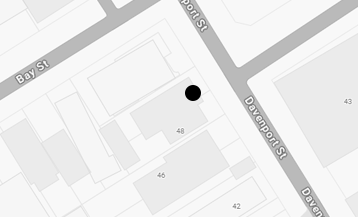
Free initial consultationLocal, District & Supreme CourtsSydney office in the CBD








Your Sydney criminal defence lawyers

How We Can Help You
At Hannay Criminal Defence, our team of Sydney criminal lawyers have accumulated thousands of court appearances. This experience and knowledge of the relevant laws cannot be understated. Criminal and traffic law matters can appear to be trivial, but when before a court can become very complex, quickly. Notwithstanding this, the importance of ascertaining the extent of the evidence against you and whether such evidence may be inadmissible requires strong legal insight and expertise.
Why Us?
With a team of experienced and dedicated Sydney Criminal lawyers, we specialize in providing the highest quality criminal law help to individuals facing criminal charges in Sydney and across Australia. Whether your matter is a first-time Local Court charge or a serious indictable offence, we give you straight advice about NSW law and run your case with care from the first call.
Charges we defend in Sydney
Drug Offences
Drug Offences
Facing a drug charge in New South Wales? A drug charge in NSW can bring a criminal record, a prison sentence and lasting damage to your work and travel plans. Whether it’s simple possession or serious trafficking, you need Sydney criminal lawyers who specialise in drug offences and know how to dismantle the prosecution’s case.
What Are Drug Offences in NSW?
Under the Drug Misuse and Trafficking Act 1985 (NSW), drug offences range from minor possession to large-scale supply and importation.
Common charges include:
- Possession of prohibited drugs (section 10) – cannabis, cocaine, MDMA, methamphetamine – penalties depend on quantity and drug type
- Drug supply (section 25) – maximum penalties range from 15 years for small quantities to life imprisonment for commercial supply of large amounts
- Possession of drug utensils (section 11) – pipes, bongs, or equipment used to consume drugs
- Deemed supply – possessing quantities above the trafficable amount creates a legal presumption you intended to supply
- Drug importation – federal offences carrying up to 25 years or life imprisonment depending on quantities
- Introducing drugs into correctional facilities – up to 10 years imprisonment
Even minor possession can result in criminal convictions that affect employment, travel, and future opportunities. NSW courts weigh factors such as the quantity involved, any commercial element and your criminal history when sentencing.
Why You Need Sydney Criminal Lawyers Immediately
Drug cases hinge on search warrants, police procedures, and forensic evidence. If police searches were unlawful, or if chain of custody was compromised, evidence can be excluded. We test the NSW Police case closely, including whether a search was lawful under LEPRA and whether the evidence was properly obtained.
We’ve successfully defended clients across Sydney courts, securing section 10 dismissals, reduced charges, and diversionary programs like the Magistrates Early Referral Into Treatment (MERIT) scheme.
Don’t face drug charges alone.
Contact Hannay Criminal Defence now for immediate legal advice from Sydney’s leading drug offence defence team.
Early advice from a Sydney criminal lawyer can shape the whole course of your matter.
Assault Charges
Assault Charges
An assault charge in NSW is serious, and what you do in the first few days matters. In NSW, assault and violence offences can lead to imprisonment, fines, apprehended violence orders and lasting effects on your employment. At Hannay Criminal Defence, we’ve successfully represented many clients facing these charges — often achieving the best outcomes because they sought legal advice early. Getting advice before your first Local Court date gives you the most options.
Understanding Assault Charges
Assault charges in Sydney generally refer to intentionally or recklessly causing physical harm, or even causing someone to fear imminent harm. The law covers a broad range of conduct — from common assault to more serious offences involving bodily harm or aggravating circumstances. Depending on the case, the charges may be dealt with in the Local Court or escalated to higher courts for more severe allegations.
Why You Need a Lawyer
Having an experienced assault lawyer on your side is essential. A skilled lawyer will assess the facts, review the evidence, and develop a strong defence strategy — whether that means challenging the allegations, negotiating lesser charges, or seeking to have the matter dismissed. They will also help you understand your options, possible penalties, and any available defences, such as self-defence, lack of intent, or mistaken identity.
Act Fast – Protect Your Future
The sooner you engage a lawyer, the better your chances of achieving a positive outcome. At Hannay Criminal Defence, we know that quick, strategic legal action can dramatically change the direction of your case. If you have been charged in Sydney, or think police are investigating you, speak to us before you give any interview. A conviction in NSW can follow you for years. Call our Sydney office for a free initial consultation about your charge.
Fraud Charges
Fraud Charges
Been charged with fraud or under investigation in Sydney? Fraud prosecutions in NSW are often long, document-heavy and stressful, with serious consequences for your career. The earlier we are involved, the more we can do to protect your position.
Fraud investigations in NSW rely on extensive police powers, and without experienced Sydney criminal lawyers protecting your rights from day one, you risk saying or doing something that torpedoes your defence. Early advice can prevent mistakes that are hard to undo later.
What Are Fraud Charges in NSW?
Under the Crimes Act 1900 (NSW), fraud involves dishonestly obtaining a benefit by deception. Common charges include:
- Identity theft – using another person’s details for gain
- Credit card fraud – unauthorised use of payment cards
- Insurance fraud – false claims for payouts
- Bank fraud – manipulating accounts or loan applications
- Securities fraud – misleading investors or falsifying financial records
The prosecution must prove you intended to deceive and knowingly acted dishonestly. Even white-collar charges like employee fraud, mortgage fraud, internet scams, Medicare fraud, or superannuation theft carry maximum penalties of 10 years’ imprisonment under section 192E.
Why You Need Sydney Criminal Lawyers Now
Fraud cases are complex. NSW Police and agencies such as ASIC may examine bank records, emails and witness accounts. Without a Sydney criminal lawyer who understands NSW fraud law inside-out, you’re vulnerable during interviews, searches, and court proceedings.
Hannay Criminal Defence have defended clients across Sydney’s courts—from the Downing Centre Local Court to the NSW Supreme Court. We review the brief of evidence in detail and challenge any part of the investigation that did not follow the law.
Break & Enter Charges
Break & Enter Charges
Charged with break and enter in NSW? Break and enter is a serious indictable offence in NSW, and a conviction can mean imprisonment and a criminal record. Understanding the law—and getting expert Sydney criminal lawyers on your side immediately—is critical to protecting your future.
What Is Break & Enter Under NSW Law?
Under section 112 of the Crimes Act 1900 (NSW), break and enter involves unlawfully entering premises with intent to commit a serious indictable offence. You don’t need to smash a window—simply opening an unlocked door or climbing through an aperture can constitute “breaking.”
You’re guilty if the prosecution proves:
- You broke any part of a dwelling or premises—this includes opening doors, windows, shutters, or any entry point by unlocking, pushing, lifting, or any other means
- You entered the premises—even if only part of your body or an instrument crossed the threshold
- You used threats, deception, or collusion to gain entry, or entered through chimneys or other openings not intended for ordinary use
Maximum penalties range from 10 years’ imprisonment (for break and enter with intent) to 14 years if committed in company or in aggravated circumstances (e.g., occupants present, violence used).
Why Sydney Criminal Lawyers Are Essential
Break and enter cases hinge on evidence collection, police searches, and witness statements. If police searches weren’t conducted lawfully, or if your intent can’t be proven, your charges could be dismissed or downgraded.
Hannay Criminal Defence scrutinise every detail—from search warrant validity to forensic evidence—to build a defence that challenges the prosecution’s case. We’ve defended clients across Sydney’s courts, from the Downing Centre Local Court to the NSW District Court, securing reduced sentences and acquittals.
Don’t face break and enter charges alone. The stakes are too high. Contact Hannay Criminal Defence now for immediate advice from Sydney’s most trusted criminal defence team.
Murder & Related Charges
Murder & Related Charges
Charged with murder or manslaughter in New South Wales? Murder and manslaughter are the most serious charges heard in the NSW Supreme Court, and murder carries a maximum penalty of life imprisonment. Get experienced advice as early as possible. You need Sydney criminal lawyers who specialise in homicide defence, and you need them now.
Understanding Murder vs Manslaughter in NSW
Under the Crimes Act 1900 (NSW), murder (section 18) occurs when a person causes death with intent to kill or inflict grievous bodily harm, or through reckless indifference to human life. The mandatory sentence is life imprisonment, though parole eligibility varies depending on the circumstances.
Manslaughter (sections 18 & 24) is the unlawful killing of another person without the intent required for murder.
Common scenarios include:
- Voluntary manslaughter – killing in the heat of passion or under extreme provocation
- Involuntary manslaughter – causing death through a dangerous or negligent act without intent to kill
- Manslaughter by criminal negligence – gross negligence that results in death
Maximum penalties for manslaughter reach 25 years’ imprisonment, but sentences depend heavily on the facts and mitigating circumstances.
Why Expert Defence Matters
Homicide matters in NSW turn on detailed forensic and expert evidence. The prosecution case will usually rely on forensic evidence, post-mortem findings, witness accounts and phone or digital records. The difference between a murder conviction and a manslaughter verdict—or even an acquittal—often hinges on proving lack of intent, self-defence, or substantial impairment under section 23A.
Hannay Criminal Defence have defended clients in NSW’s most serious homicide cases, from the NSW Supreme Court to appellate proceedings. We work with independent experts where needed and test every part of the Crown case.
Speak with our Sydney team about murder or manslaughter charges before you respond to police. Contact Hannay Criminal Defence today for immediate, expert legal representation from Sydney’s leading criminal defence team.
The stakes could not be higher. Call now.
Domestic Violence Charges
Domestic Violence Charges
Facing domestic violence charges in New South Wales? An apprehended domestic violence order or charge can affect where you live, your children and your job, sometimes before your matter is even heard. Whether the accusations are true, exaggerated, or completely false, you need Sydney criminal lawyers who understand the complexities of domestic violence law and can mount an aggressive defence.
What Are Domestic Violence Offences in NSW?
Under the Crimes (Domestic and Personal Violence) Act 2007 (NSW), domestic violence encompasses a broad range of conduct between family members or intimate partners, including:
- Common assault (section 61 of the Crimes Act 1900)
- Assault occasioning actual bodily harm (section 59)
- Stalking or intimidation (section 13 of the Crimes Act)
- Damaging property
Breaching an Apprehended Domestic Violence Order (ADVO)
Even without physical violence, actions like threatening behaviour, harassment, or intimidation can lead to criminal charges. Maximum penalties vary widely—from 2 years for common assault to 5 years for assault occasioning actual bodily harm, and up to 5 years for breaching an ADVO in aggravated circumstances.
The Real Consequences
A domestic violence conviction in NSW can have consequences well beyond the sentence itself. You may face:
- Immediate loss of firearm licences
- Restrictions on contact with children
- Immigration consequences for visa holders
- Employment barriers, especially in industries requiring background checks
Courts in NSW take domestic violence extremely seriously. Police often apply for ADVOs automatically, restricting where you can go and who you can contact, even before you’re convicted of anything.
Why You Need Expert Defence
Allegations often arise in the middle of a separation or parenting dispute, and the full context matters. Hannay Criminal Defence scrutinise witness statements, challenge inconsistencies, and expose false allegations. We’ve successfully defended clients across Sydney courts, from the Downing Centre to Parramatta Local Court, securing dismissals, section 10 non-convictions, and reduced charges.
Get advice early on domestic violence allegations, especially before your first Local Court mention. Contact Hannay Criminal Defence now for immediate legal advice.
Sexual Offence Charges
Sexual Offence Charges
Accused of a sexual offence in New South Wales? You’re facing some of the most serious charges dealt with in the NSW District Court—allegations that can result in decades of imprisonment, mandatory sex offender registration, and permanent destruction of your reputation. Even before a hearing in the NSW District Court, these allegations can affect your work, family and reputation. You need Sydney criminal lawyers who specialise in sexual offence defence, and you need them immediately.
What Are Sexual Offences in NSW?
Under the Crimes Act 1900 (NSW), sexual offences cover a wide range of conduct, including:
- Sexual assault (section 61I) – maximum penalty of 14 years imprisonment
- Aggravated sexual assault (section 61J) – up to 20 years, or life imprisonment in company
- Sexual touching (section 61KC) – up to 5 years imprisonment
- Child sexual offences (sections 66A-66EB) – penalties ranging from 10 years to life imprisonment depending on the age of the complainant and circumstances
- Possession or distribution of child abuse material (section 91H) – up to 10 years imprisonment
- Indecent assault and acts of indecency
The prosecution must prove the sexual act occurred without consent and that you knew, or were reckless as to whether, consent was absent.
The Stakes Are Enormous
A sexual offence conviction in NSW can affect far more than the sentence imposed. You may face:
- Mandatory inclusion on the Child Protection Register
- Severe restrictions on employment, travel, and where you can live
- Public notification requirements in some cases
- Permanent criminal records that follow you forever
Why Expert Defence Is Critical
Sexual offence cases often hinge on credibility, forensic evidence, and expert cross-examination. Hannay Criminal Defence meticulously examine complainant statements, digital evidence, and timelines to expose inconsistencies and build powerful defences. We’ve defended clients across NSW courts, from Local Courts to the Supreme Court, securing acquittals and dismissed charges.
Don’t face these allegations alone.
Contact Hannay Criminal Defence today for immediate, confidential legal advice from Sydney’s most trusted criminal defence team.
Traffic Offence Charges
Traffic Offence Charges
Charged with a traffic offence in New South Wales? A traffic matter in NSW can affect far more than your wallet. Serious traffic charges in NSW can bring licence disqualification, large fines, a criminal record and, in some cases, imprisonment. Whether you’re facing drink driving, dangerous driving, or licence suspension, you need Sydney criminal lawyers who understand NSW traffic law and can fight to keep you on the road.
Common Traffic Offences in NSW
Under the Road Transport Act 2013 (NSW) and Crimes Act 1900 (NSW), traffic offences range from minor infringements to serious criminal charges, including:
- Drink driving (PCA offences) – penalties increase with blood alcohol level, ranging from automatic licence disqualification to 2 years imprisonment for high-range PCA
- Drug driving – detection of illicit substances while driving carries automatic disqualification and fines up to $3,300
- Dangerous driving (section 52A) – up to 3 years imprisonment, or 5 years if causing death or grievous bodily harm
- Negligent driving (section 117 of the Road Transport Act) – maximum $3,300 fine and automatic disqualification
- Drive whilst suspended or disqualified – up to 18 months imprisonment for repeat offenders
- Speeding offences – excessive speed can lead to automatic licence suspension and substantial fines
Why Your Licence Matters
Losing your licence isn’t just an inconvenience—it can cost you your job, your ability to care for family, and your independence. Courts have discretion to impose section 10 non-convictions or reduce disqualification periods, but only if you have expert legal representation.
How Hannay Criminal Defence Can Help
Traffic law is technical. We check whether NSW Police followed the correct procedures for breath analysis and roadside drug testing. Hannay Criminal Defence examine every detail—from the legality of the traffic stop to calibration records of testing devices—to build defences that protect your licence.
We’ve successfully defended clients across Sydney’s courts, securing reduced penalties, section 10 dismissals, and appealed disqualifications.
Don’t risk your licence.
Contact Hannay Criminal Defence now for immediate legal advice from Sydney’s leading traffic offence lawyers.
Sydney criminal law: common questions
Which Sydney court will my matter be heard in?
Most criminal matters in central Sydney start in the Local Court at the Downing Centre on Liverpool Street. More serious indictable matters go to the NSW District Court or the Supreme Court. We will explain which court deals with your charge.
Can I get bail in NSW?
Bail in NSW is governed by the Bail Act 2013 (NSW). Police can grant bail after a charge, or you can apply to a court. For some serious offences you must first show cause why your detention is not justified before the court considers the risks.
Can I avoid a criminal conviction in NSW?
In some cases, yes. Under section 10 of the Crimes (Sentencing Procedure) Act 1999 (NSW), a court can dismiss a charge or impose a conditional release order without recording a conviction. Whether that is realistic depends on the offence and your history.
What happens in the free initial consultation?
We listen to what has happened, explain the charge and the NSW court process, and outline your options. There is no obligation to engage us afterwards, and everything you tell us is confidential.
Do you handle traffic matters in Sydney?
Yes, including drink and drug driving, licence suspension and dangerous driving. See our Sydney traffic offence lawyers page.