

All Posts By

Hannay Criminal Defence

What are the Ages of Consent and Criminal Liability in Queensland

What are the Ages of Consent and Criminal Liability in Queensland

By Criminal Law

Ages of Consent and Criminal Liability in Queensland

At a time when youth justice issues in Queensland feature daily in the news headlines, it’s timely to remind about some of the basic legal facts relevant to juveniles, including the minimum ages of consent to have sex and when they can be held criminally liable.

The age at which children should become criminally responsible, in particular, is currently a contentious issue, with a strong movement to raise the age in Australia counter-balanced by those arguing for harsher treatment of juvenile criminals.

Age of criminal responsibility

In all states and territories of Australia, including Queensland, children under the age of 10 cannot be held criminally responsible for their actions and so cannot be charged with criminal offences.

It should be noted that 10 years is young compared with many other countries around the world. This year, the ACT plans to raise the age of criminal responsibility to 12 years of age, and 14 years two years after that.

Between the ages of 10-14, the principle of doli incapax applies, meaning children in this age group are assumed to be criminally incapable unless prosecutors can demonstrate that the child had knowledge that what they were doing was wrong.

A child 15 years of age and above is considered to be criminally responsible for his or her actions. They will be dealt with by either the Children’s Court of Queensland or the Children’s Court (Magistrates Court jurisdiction) and, depending on the nature of the crime, a range of sentencing options are available.

As of February 2018, children aged 17 years of age are no longer considered to be adult offenders and are dealt with in the youth justice system. If an 18-year-old offender committed a crime before turning 18, they will be dealt with as a juvenile offender.

The penalties and sentencing options for juvenile offenders are set out under the Youth Justice Act 1992 (Qld) (‘the Youth Justice Act’). Treatment of juvenile offenders differs from adults in that:

  • a parent or guardian will usually be required to be present in court;
  • penalties are lighter;
  • maximum custodial sentences are shorter;
  • if a custodial sentence is imposed, it will be served as detention rather than imprisonment under the supervision of Youth Justice Services rather than Corrective Services.

Young offenders may also be let off with a caution, a reprimand, community service order, fine or probation. They may also be directed to undertake a drug diversion program or participate in a restorative justice program where they face their victims.

Age of consent

Important age limits apply to when a youth can legally have sex, primarily designed to protect juveniles from predatory behaviour by adults. These age limits apply to both heterosexual and same-sex relationships.

It’s unlawful for anyone to have sex with a person under the age of 16, including sexual touching, having a sexual act performed in front of them, or having an adult get them to perform a sexual act, even if the person under 16 agrees.

Sexual acts include:

  • sexual penetration, including any act that involves a penis penetrating a vagina, anus or mouth;
  • penetrating a vagina or anus with an object or another part of the body;
  • touching the child under 16 on the genitals, buttocks or breasts, or somewhere else in a sexual way;
  • having another person’s genitals exposed to them;
  • having inappropriate photos taken of them;
  • having anal sex if either or both of the individuals are under 16.

Sexual activity can be considered even more serious in the eyes of the law if the person is under 12 years of age; if the person against who the sexual act is perpetrated is a relation; if they were the person’s guardian, or the victim was in the person’s care; and if the victim is intellectually disabled. Harsher penalties apply for any of these offences.

In Queensland a child sexual offence includes:

  • indecent treatment of a child;
  • carnal knowledge with or of a child;
  • rape;
  • incest;
  • grooming a child (or their parent or carer);
  • making child exploitation material;
  • maintaining a sexual relationship with a child.

A child who is believed to be at risk of harm due to another person’s sexual acts may become the subject of a court order to be placed in the care and protection of Child Safety Services.

Any forced sexual activity is a criminal offence. It doesn’t matter whether the person who touches a person under 16 in a sexual way or who has sex with them is a relative, friend, teacher or stranger, the activity is still criminal.

Defences to sexual offence crimes against juveniles

Under section 115 of the Queensland Criminal Code 1899, a person charged with a sexual offence against a child of or over the age of 12 may rely on a defence that the accused believed on reasonable grounds that the child was of or above the age of 16.

If the child is a person with an impairment of the mind, it is a defence to the offence being one of aggravation if the accused person believed on reasonable grounds that the child was not a person with an impairment of the mind.

The importance of expert legal advice

If you or someone you know is in the situation where they have been accused of a sexual offence against a child, or you are the parent or guardian of a child who is accused of a criminal offence, you need expert legal advice as soon as possible.

Hannay Criminal Defence are an award-winning firm with long experience of the Queensland justice system. our Brisbane criminal lawyers will bring our years of experience and knowledge to your matter, and represent you with the utmost professionalism and commitment. Contact us today if anything in this article applies to your situation.


The Queensland Government’s Proposed Amendments to the Youth Justice System

The Queensland Government’s Proposed Amendments to the Youth Justice System

By Criminal Law

Queensland’s Labor government recently passed stricter laws to deal with repeat youth offenders after a series of high-profile criminal incidents, including the tragic death of mother-of-two Emma Lovell after an alleged home invasion of her Brisbane home.

Theft of cars and household property, and dangerous driving, are among the offences that have left Queensland residents with the impression juvenile crime is steeply on the rise, even though statistically the youth crime rate is no higher than in recent years.

To address this public perception, the Palaszczuk government announced stricter measures late in 2022, including expanding electronic surveillance monitoring for children as young as 15 and increasing the maximum penalty for unlawful use of a motor vehicle from seven to 10 years imprisonment.

Then in February 2023, it announced legislative changes which further re-shaped the state’s youth justice process, including making breach of bail an offence for children.

‘We have listened to the community. This action is all about putting community safety first,’ Premier Palaszczuk said in announcing the legislative changes.

‘We will use the full force of the law to target the small cohort of serious repeat offenders that currently pose a threat to community safety.

‘When these kids reoffend time and again, we need the police to catch them. And we need the courts to do their job.

More detail on the legislative changes

Breach of bail: Perhaps the most controversial of the legislative amendments is making breach of bail conditions a criminal offence for young offenders. It follows revelations a number of young offenders involved in serious incidents were on bail at the time of offending. Strident critics of this move argue it overrides Queensland’s own Human Rights Act and will not address rates of crime among young offenders.

Strengthening conditional release orders: Designed to allow a youth offender to stay in the community and avoid incarceration in a youth detention centre while taking part on a court-approved rehabilitation program, the maximum period for a conditional release order will be extended from three months to six months. Repeat offenders will also serve their suspended term in detention if they breach a condition.

New declaration of serious repeat offenders: The changes include amending the Youth Justice Act to declare certain offenders as ‘serious repeat offenders’, meaning tougher sentencing principles for this category of youth who have been identified as accounting for the majority of serious offences committed by young people.

Unlawful use of a motor vehicle: If this offence is committed with circumstances of aggravation of violence or threatened violence, it will now be heard by a District Court Judge.

Presumption against bail for more serious offences: Those offenders who are passengers in stolen vehicles, commit burglary or enter a premise to commit an indictable offence, will now have a presumption against being granted bail.

Police do not need to consider alternatives to arrest: This will be the case if a young person contravenes or is likely to contravene a bail condition.

Increasing youth detention capacity: The government announced plans to build two new therapeutic youth detention centres plus interim options to increase capacity at existing facilities. In addition, 18-year-olds currently serving sentences in youth detention centres will be moved to adult prisons.

The key legislative changes above announced in February, 2023, followed from measures announced by the government in December, 2022. Those measures included:

  • increasing the maximum penalty for unlawful use of a motor vehicle from 7 years to 10 years’ imprisonment;
  • a more severe penalty of 14 years if the offence is committed at night, where the offender uses violence or threatens violence; is armed or pretends to be armed; is in company or damages or threatens to damage any property;
  • amending the Youth Justice Act requiring courts to take into account previous bail history, criminal activity and track record when sentencing;
  • increased penalties for criminals who have boasted about their crimes on social media.

The government’s announcements included a $100 million injection of funds into youth rehabilitation programs it claims are ‘proven to make a difference’.

These include an expansion of intensive case management for chronic young offenders; expansion of youth co-responder teams to provide a rapid response targeting young people at risk of offending and young people on bail; expansion of the Stronger Communities initiative and investment in ‘on country’ programs; and greater investment in ‘grassroots early intervention’, such as community-based initiatives targeting at-risk youth to provide recreational, learning, mentoring and drug and alcohol support.

‘This bill builds on those laws to ensure serious repeat youth offenders are held accountable for their actions and that there are swift and serious consequences for criminal offending,’ Queensland Police Minister Mark Ryan said in state parliament during the debate to introduce the law changes.

Confused? Speak with our expert criminal law team

If you’re unsure about the government’s new youth justice laws, and how they apply to your own situation, contact the expert team of Brisbane Criminal Lawyers at Hannay Criminal Defence. Criminal matters are our specialty and we have proven experience advocating for young people when they find themselves in a difficult, stressful situation. We can help explain your options if any of the new law changes are relevant to your matter, so contact us today.

The Benefits of Residential Rehabilitation Centres/Programs for Bail/Sentencing

The Benefits of Residential Rehabilitation Centres/Programs for Bail/Sentencing

By Drug Charges

Drug addiction destroys lives and for some people, can, unfortunately, lead to involvement in a crime.

Even people with no criminal background who previously led law-abiding lives can be derailed by serious drug abuse. Sadly many people are further brutalised when sentenced to a term of imprisonment. Mixing within the criminal subculture, predictably, can increase the chances that a person descends into further criminality.

This is one of the reasons the judicial system has developed alternative methods of dealing with drug offenders, including orders for them to go into a rehabilitation facility for treatment. In this way, a person who has committed a drug offence stands a better chance of being ‘diverted’ from further criminal offences onto the path of recovery.

How do such alternative sentences work?

In Queensland, magistrates can refer a person to the state’s Drug and Alcohol Court started in Brisbane in 2018, where they may be placed on a drug and alcohol treatment order. Under this order, adult offenders are supervised and undertake treatment to address their drug and/or alcohol dependency issues and criminal offending.

Offenders will generally be required to agree to complete a two-year program in the community while serving a suspended sentence. Those who appear in front of the Drug and Alcohol Court, however, must live within the Brisbane Magistrates Court district.

Judges and Magistrates may also impose a condition that an offender participates in rehabilitation, treatment or other intervention program or course as part of their bail conditions.

Some treatment programs offer live-in accommodations to people who are on bail for an offence. A person who is willing to reside at a drug and alcohol rehabilitation centre as a condition of their bail can ask a drug and alcohol counsellor at the centre to arrange an assessment. If assessed as suitable for a live-in program, the treatment centre can provide written confirmation to be produced to the court.

A bail application by a person remanded in custody on drug charges or who has previous convictions for similar offences can help their cause before the court by providing proof they are addressing the offending behaviour, such as a letter confirming placement in a drug rehabilitation centre or that they are undertaking to counsel.

Case example: In February 2022 a former Queensland Corrective Services officer accused of drug trafficking in methamphetamine was granted bail to attend an eight-month rehabilitation program after two unsuccessful earlier attempts at bail.

Lawyers for the man said he feared for his life if sentenced to a custodial term given his former career in Corrective Services.

‘I must say in the circumstances there’s the purely social benefit aspect of this that these spots in these clinics are pretty hard to come by and if somebody’s got one, I think in the overall interest of justice and social interest it’s a pretty big move to prevent him from taking it up,’ the judge in the case observed.

Seek help from experienced criminal lawyers

While some courts will divert an offender towards drug and alcohol rehabilitation programs – particularly if they are first offenders – in other situations an offender will need to convince the court they should be allowed bail to undertake rehabilitation and avoid a jail sentence.

If you are facing drug-related charges, you need the guidance of highly experienced Brisbane criminal lawyers. At Hannay Criminal Defence, our award-winning professionals have the background to help you take advantage of residential rehabilitation programs to get your life back on track. 

The Difference Between Commercial Use and Personal Possession of Dangerous Drugs

The Difference Between Commercial Use and Personal Possession of Dangerous Drugs

By Drug Charges

Drug use is a prevalent problem in modern society with serious and widespread consequences for individuals, health systems, emergency services, crime rates and a range of other issues.

For these reasons penalties to deter the misuse of dangerous drugs are severe. There is, however, an understandable difference between the severity of penalties for personal possession and commercial use of dangerous drugs, which we’ll give more detail on in this post.

What is important to know at the outset is that possession of illegal drugs, whether for personal or commercial use, is an offence.

How is possession for personal use treated?

In Queensland, it is illegal to possess dangerous drugs – even in small quantities – for personal use. There are strict laws surrounding drug offences and it is important to understand how the law operates due to the broad definition of possession. Unfortunately, possessing an illegal drug is not always associated with owning it.

By personal use, we mean that the drugs were not intended to be supplied or trafficked for profit. But the use of dangerous or illegal drugs for personal, recreational use is still a criminal offence and does not amount to a defence.

It’s important to understand that a person can commit a criminal offence by possessing dangerous drugs without being the owner of the drugs. A person who minds a bag containing illegal drugs for a friend, for instance, or who lives in a share house where drugs are present – and has knowledge of their existence – can be charged with possession, even though they did not own or use the drugs.

A person charged with possession in this situation should seek legal advice as soon as possible – there are defences available for those charged with drug possession.

The key factors in determining what sentence or penalty applies are whether you possess the drug/s for personal or commercial use, plus the quantity and type of the drug in your possession.

Penalties for personal use

A person charged with possessing a small amount of drugs for personal use will generally have the matter dealt with in the Queensland Magistrates Court. Penalties for this type of offence include good behaviour bonds and probation. A person found in possession of a small amount of an illegal drug may be given a good behaviour bond and ‘drug-diverted’ by being ordered to attend drug counselling or other forms of rehabilitation.

If a person is charged with having a larger amount of a dangerous drug in their possession their case may be moved from the Magistrates Court to the District or Supreme Court if it’s alleged the drugs were in fact for commercial purposes.

Penalties in the District Court or Supreme Court for commercial possession include imprisonment. If you are charged with a larger quantity of drugs, the prosecution may allege that you had a commercial purpose (i.e. intended to make a profit from the drugs).

Penalties for drug possession for commercial purposes

The offences relating to dangerous drugs and commercial use are set out in sections 5-11 of the Drugs Misuse Act 1986 (Qld), covering activities from trafficking; supply; obtaining property from trafficking or supply; producing or possessing dangerous drugs; possessing drug-related things; possessing precursor chemicals and drug lab equipment; and permitting the use of a place.

Dangerous drugs are divided into those appearing in either Schedule 1 or Schedule of the Act, with penalties reflecting the fact that Schedule 1 drugs are considered more dangerous. Sentences for traffic and supply of Schedule 1 drugs can be up to 25 years in prison or 20 years for Schedule 2 drugs.

Courts can also impose fines under the Drugs Misuse Act as an alternative, or in addition to, a term of imprisonment.

It should also be noted that under Queensland’s Corrective Services Act, a person sentenced to prison for drug trafficking will receive a non-parole period equating to 80 per cent of their sentence if the court finds the offence is a serious violent offence (SVO). Anyone sentenced to 10 years imprisonment for drug trafficking is automatically considered to have committed an SVO.

Speak with expert criminal lawyers

This post provides a brief overview of the penalties and sentences relating to dangerous drugs but as it illustrates, different factors come into play depending on the quantity and type of drug involved, and its planned use.

If you are charged with any of the offences discussed in this article, it’s important to contact an experienced criminal law firm as soon as possible. At Hannay Criminal Defence, we are award-winning criminal law specialists with a proven track record in advocating for clients facing serious charges relating to dangerous drugs. We will handle your matter with sensitivity and understanding, so contact our Brisbane criminal lawyers as soon as possible if you need urgent legal help. 

weapons licence

What Should You do if You Receive a Show Cause Letter When Applying for a Weapons Licence?

By Criminal Law

If You Receive a Show Cause Letter When Applying for a Weapons Licence

While there are many reasons a person may need to own a gun, such as a livestock farmer or a professional culler of non-native species, there are also many compelling reasons why other people should not be permitted to possess a weapon.

A history of criminal offences, prior involvement in domestic violence incidents and even a person’s mental health may be reasons a person will not be permitted to gain a weapons licence.

The safety of the community is one of the chief concerns of the Weapons Licensing Branch of the Queensland Police Service. High-profile mass shooting incidents and other examples of gun violence make the licensing branch’s work to protect public safety particularly important.

To this end, it may revoke a person’s weapons licence or refuse an application for such a licence, if it decides the applicant is not a ‘fit and proper’ person to hold such a licence.

The licensing authority’s means of communication in querying the fitness of a person to hold a weapons licence is through a ‘show cause’ letter. Crackdowns in recent years on certain categories of weapons and those who can use them have even seen people who have held a weapons licence for many years issued with show-cause letters.

What happens once you receive a show cause letter?

When the licensing branch sends someone a show cause letter, it is asking the person to justify why they should be considered a fit and proper person to hold a weapons licence.

The person will need to gather supporting material to provide to the authority to convince them they should be granted the licence. This could be an expert medical report in the case of mental health being the ground for disqualification, for example.

One mistake people commonly make in responding to show cause letters for weapons licence applications is to forego legal advice and try and make their case on their own.

Angered by their ‘fitness’ being called into question, some people, for example, will respond to the authority claiming it is ‘my right’ to bear arms. This is not an argument that will hold sway in Queensland.

Many applicants will then compound their initial error once the licensing authority again refuses their application, based on their emotive response. To appeal that decision, a person can apply to the Queensland Civil and Administrative Tribunal (QCAT) for a hearing on the matter. While applying to QCAT is cheaper and more accessible than a court proceeding, it can still become a costly and time-consuming option.

It is crucial to seek legal advice

If you’re in receipt of a show-cause letter after making an application for a weapons licence in Queensland, your first phone call or email should be to a law firm with demonstrated experience in assisting clients to respond to the licensing branch.

Doing so can save a lot of stress, time and money. Legal professionals with experience addressing show cause letters can pre-empt or properly address the issues likely to prevent a person from being considered fit and proper by the licensing authority.

While every case is unique, specialists such as Hannay Criminal Defence can interpret the reasons for the initial refusal to grant a licence, whether it be a lack of co-operation with police, previous infringements in owning weapons, a criminal history, a mental health disqualification or any other issue which prevents the granting of a weapons licence.

By speaking with legal experts about your response you can likely avoid the time and expense involved in pursuing the matter through QCAT or the courts.

Call Brisbane Criminal Lawyers today if you’ve received a show-cause letter about a weapons licence application.

What You Need to Know About Seizure of Property by Police

What You Need to Know About Seizure of Property by Police

By Criminal Law

People are often unaware that if police enter a person’s residence with a search warrant, officers may seize items of that’s person’s property under certain conditions.

In Queensland, specifically, police have the right to seize items of a person’s property if they reasonably suspect it may be evidence relevant to the commission of a criminal office, or property to which the search warrant relates.

This post takes a look at this power in more detail – what police must do when they seize property, and what a person’s rights and responsibilities are when it is their property that is seized. If you have had property seized by police, you should seek the guidance of expert criminal lawyers as soon as possible.

What powers do police have?

Under Queensland’s Police Powers and Responsibilities Act 2000 (‘PPR ACT’), police may enter premises to the extent permitted by the warrant and use all powers necessary to execute it, including using reasonable force (section 615). Under section 157 of the Act, any evidence then found by a police officer during a search may be seized.

Even when police do not possess a search warrant, they have certain powers to search persons, vehicles and public places if they reasonably suspect that a person possesses an unlawful weapon, dangerous drug or stolen property, or if they believe the person to possess evidence relevant to the commission of a criminal offence.

During these searches police can seize things they reasonably believe to be evidence, or if a person is in possession of something (such as a weapon) that they might use to harm themselves or others.

When police seize an item of property, they must provide a receipt (known as a ‘field property receipt’) acknowledging their possession of the item to the person they seized it from as soon as is reasonably practicable. An exception to this requirement exists if providing a receipt would impede the progress of an investigation, such as where an item was seized without the owner’s knowledge during a covert operation.

The property receipt must describe the thing seized and must be left in a noticeable place if the owner cannot be handed it in person.

Property seized must be returned within 30 days

When police seize an item of property, it must be returned to its owner within 30 days unless it is evidence in a charge that a criminal offence has been committed.

If no charges or legal proceedings are commenced by the police within 30 days, the force must seek an order from a Magistrate to be able to continue to retain the property.

Should the 30-day period pass without police returning the seized property, or they do not have a court order permitting them to retain the item/s, the owner of the property can apply to the police to have it returned. Should the police refuse this request, an owner may apply to a magistrate seeking an order for the property to be returned.

A person may also apply to the police to have property returned where police have notified the owner that if an application is not made within 28 days to a court to have the property returned, it may be forfeited to the state.

The legislation and the procedural manual for Queensland police officers indicate that police should try to copy or photograph items of seized property in order to return it to the owner at the earliest possible time. But in the quest to have the most persuasive and authoritative evidence available in a criminal prosecution, police may not observe this directive.

What happens to the property if it is seized and held until a criminal prosecution is completed?

The court will generally make an order in relation to the seized property at the end of a criminal proceeding. The order can be that the item or items be returned to the owner, be forfeited to the state, destroyed or disposed of.

If the court makes no order, police will either return the items to the owner or send a forfeiture notice to the owner. A forfeiture notice will be employed by police if it believes the item was used in the commission of a criminal offence; it must be retained to provide it being used in the commission of a criminal offence; or because possession of the item is unlawful (weapons, illicit drugs, for example).

If the owner of the property that is the subject of forfeiture notice objects to it, they can apply to a Magistrate within 28 days after the notice is given for the property to be returned.

The issue of police seizing property unlawfully

Under the PPR Act, police must follow a number of procedures in executing search warrants and seizing property. If there is a mistake in the process, such as searching an incorrect address or seizure of property that is not relevant to the terms of the warrant, then this evidence is potentially inadmissible in a later criminal proceeding because it was not obtained by lawful means.

The court uses a ‘public interest’ test to balance the unlawfulness of the police conduct against the possibility of a person who committed a criminal offence being ‘let off’ on a technicality relating to search and seizure of evidence.

If you have been given a receipt for property seizure, it’s wise to seek specialist legal advice as soon as possible. Expert criminal law firm Hannay Criminal Defence will take you through your rights in relation to your property and ensure that the police force observes all its statutory duties when it comes to retaining possession of items.

Our Sydney criminal lawyers long experience in representing people who have been subject to search and seizure by police allows us to provide you with timely, relevant, and understanding advice so that your rights are protected.

What Investigative Tools do Queensland Police Utilise?

What Investigative Tools do Queensland Police Utilise?

By Criminal Law

Investigative Tools do Queensland Police Utilise

There are many ways a police force investigate criminal offences. From basic questioning of suspects to surveillance operations, telephone intercepts, digital tracking, profiling and many other techniques, the tools of police investigation are many and varied.

How police go about an investigation is highly important. The evidence collected in an investigation will form the basis of a prosecution case against an offender and, therefore, must meet all the criteria for admissibility in a trial.

If evidence is collected in an improper or unethical manner, a person charged with an offence may have grounds for an appeal if convicted.

In Queensland, the way police conduct an investigation is governed by the Police Powers and Responsibilities Act (‘the Act’).

This Act proscribes what police can and cannot do when using some of the investigative tools discussed in this post, ensuring that the rights of a person suspected of, or charged with, an offence are protected.

This includes limits on the periods a person can be questioned and detained as part of an investigation.

How are police investigative tools used?

The police investigative process commences at the time an incident comes to the attention of police and concludes when the prosecution proceedings are finalised.

The approach taken by police to an investigation will generally depend on the nature of the offence being investigated.

Sexual assaults, for example, call for significantly different methods than investigation of a break-and-enter.

An investigation into sexual assault or many other person-to-person crimes will usually involve questioning of the suspect, the victim and others who may provide evidence leading towards charging someone with a crime.

An interview in these matters can be a confronting experience, involving the asking of personal questions about a person’s sexual activity, alcohol, drug usage and much more. The information gained is likely to then be used in connection with forensic evidence from the scene.

Generally a police investigation into an assault, for example, will also:

  • identify places of interest to the investigation, including where the assault occurred;
  • collect evidence and take photographs;
  • undertake door knocks of neighbours in an attempt to identify additional witnesses;
  • seek CCTV footage, computers or mobile telephones;
  • collect and preserve other evidence such as clothing, bedding and other household objects for further examination;
  • ask a person to undergo a forensic examination.

Collection and testing of physical evidence and DNA is particularly crucial in homicide, robbery and sexual assault cases.

An investigation will likely engage experts in these fields, including fingerprint analysis, electronic forensics and other fields of expertise, in order to build a case that will be admissible in court.

Again, its important to know your rights in a situation where you are questioned or asked to hand over personal items as part of a police investigation.

Surveillance of phones and apps

Sophisticated surveillance of people’s use of mobile phones and certain mobile apps is an increasingly popular police investigative tool. This extends to police gaining access to messages supposedly protected by encryption technology.

The recent high-profile prosecution of former Olympic kayak champion Nathan Baggaley involved police gaining access to encrypted messages sent through the Threema app, while Operation Ironside, the recent police sting which infiltrated a global drug operation, was achieved through a ‘Trojan’ phone app.

How do I know My Phone is Tapped?

Queensland Police must apply for a warrant to ‘tap’ phones and intercept messages under the relevant legislation. Telecommunication interception is most generally used to investigate serious criminal offences including murder, kidnapping, serious drug offences, terrorism and corruption.

The Queensland laws on phone tapping include a Public Interest Monitor (PIM) and oversight by an independent barrister to oversee the powers to ensure they are not abused or exploited.

Why immediate legal advice is crucial

If you or someone you know becomes the subject of a criminal investigation by police, or even if you are interviewed as a witness or someone with knowledge of the matters being investigated, you should seek advice from experienced criminal lawyers as soon as possible.

The relative positions of police and a suspect in an investigation are unequal, but that doesn’t mean the suspect has no rights. Police have procedures and obligations they must observe under the legislation to ensure an investigation is conducted ethically and correctly.

If you believe you may be the subject of investigation by police – you may have noticed phone calls dropping out or other things out of the ordinary – contact Hannay Criminal Defence today for a free appraisal of your situation.
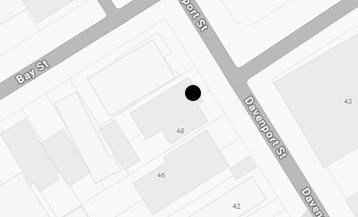
We are experienced, award-winning Brisbane Criminal Lawyers south-east Queensland who will ensure that any police investigation which you are the subject of was conducted the right way, in order to protect your rights.

The Different Types of Committal Proceedings in Queensland

The Different Types of Committal Proceedings in Queensland

By Criminal Law

At the outset, we should distinguish a committal from a mention or a trial.

A committal is an important stage of the criminal law process that takes place once someone has been charged with a serious indictable offence.

Committal proceedings determine whether a person’s case should be heard in a higher Queensland court such as the District or Supreme Court, where serious indictable offences such as murder, manslaughter, drug trafficking and sexual assault (as some examples) are heard.

One way to think of the process is as a filter between the Magistrates Court, where most matters are first heard, and the higher courts, determining which cases should proceed to the latter.

Below is more detail on how committal proceedings work. If you have questions or concerns about this process, contact award-winning Queensland criminal law firm Hannay Criminal Defence today.

What kinds of committal proceedings are there?

Committal hearings do not involve the judge making a finding of guilt or innocence. Instead, the evidence against a person is assessed to determine whether the case should proceed to a higher court.

Cross-examination: The first type of proceeding is a committal hearing, which generally occurs where the person charged wishes to plead ‘not guilty’ to the offence.

Here a magistrate will hear evidence, including from witnesses for the prosecution under cross-examination, in order to determine whether there is enough evidence for a jury in a higher court to decide the offence was committed beyond a reasonable doubt – the criminal standard of proof.

Where a magistrate finds the evidence supports committing the matter to a higher court, the accused’s defence lawyer may present evidence and call witnesses to answer the prosecution’s case, though this is generally considered a strategic error as it provides the prosecution with insight into how the charges would be defended in a trial.

Alternatively, the magistrate may dismiss the case if the evidence would not support a finding of guilt beyond reasonable doubt.

Full hand up committals: Another committal proceeding is known as a ‘full hand up’ committal. In this form, the magistrate receives a brief of evidence from the prosecution and after assessing it, makes a decision to commit the matter to the higher court.

This method often occurs where an accused is planning to plead guilty. No calling of witnesses or cross-examination occurs in a full hand up committal.

A person’s defence team may make a ‘no case to answer’ submission as part of a full hand up committal. This will ask the judge to dismiss the case based on the prosecution evidence not being strong enough to achieve a conviction.

This submission requires the criminal defence to provide written submissions and legal authorities upon which it will rely.

Registry committal: This method is an administrative means which avoids the need for a charged person to go to court. You definitely require a criminal defence lawyer in this situation to ensure all documents and witness statements constituting the evidence against you have been filed both with the prosecution and the court.

Your matter may then be transferred to a higher court by the court registrar or clerk, without an appearance in court being necessary.

Legal representation is crucial

An experienced criminal lawyer with expertise in committal proceedings is essential for anyone facing this experience.

While guilt is not established during this proceeding, the process is nonetheless an extremely important step in criminal law procedure, often establishing how a subsequent trial will be run.

Committal proceedings also establish the relative strengths and weaknesses of the prosecution and defence cases, helping the person facing criminal charges work out the best way to defend themselves.

Experienced south-east Queensland firm Hannay Criminal Defence has years of experience conducting committal proceedings for people facing serious charges.

Call us Gold Coast criminal lawyers today for a free initial consultation if you need advice on anything raised in this post.

parole applications

Implications of the Chronic Delays in Processing Queensland Parole Applications

By Criminal Law

The Queensland Parole Board is facing possible legal action from those held in custody as a result of significant delays in deciding parole applications.

In a statement released in May 2021, the Board offered a justification for delays in deciding parole applications stretching up to eight months.

‘There has been a significant increase in prisoner numbers, with approximately 1,000 more prisoners now held in custody compared to a year ago,’ the Board said.

The onset of the Covid-19 pandemic in 2020 had also increased the number of emergency parole applications.

‘The Board will continue to do everything that it can to decide parole applications as quickly as possible.’

‘Applications for a parole order received in May 2021 are not likely to be heard before January 2022.’

What are the implications of Parole Board delays?

There was a strong reaction to the statement, including from Queensland Supreme Court Justice Thomas Bradley, who said the Parole Board’s tardiness in making decisions on applications could almost be described as ‘delinquent’.

The Judge said that he ‘would like to see any member of the Board placed in custody for six or seven months beyond the date when the court suggested their (parole) eligibility should be considered and scrutinise their behaviour.’

The Parole Board has a statutory time limit of 150 days in which to decide a prisoner’s parole application but in March this year, it conceded that about 75% of approximately 2100 undecided parole applications were decided beyond that time frame.

Cases were decided as long as 250 days after the application and in one case, 300 days later.

The Queensland Law Society (QLS) subsequently wrote to the Queensland government to warn that the Board would face a ‘significant number’ of judicial reviews of its decisions because of the failure to meet its legal time frame.

‘The parole board does not have a defence to such applications, and may have to bear the costs of defending these actions and potentially the costs of a successful applicant,’ QLS president Elizabeth Shearer warned.

It was reported the Queensland Government had engaged accounting firm KMPG to undertake an urgent review of the Board’s operations.

Effect on sentencing

There is anecdotal evidence that judges have given certain offenders suspended sentences when they would prefer they were on parole because of the length of time currently taken to consider a parole application.

In other cases, those sent to prison for even minor breaches of their parole conditions are facing six months or more before their parole suspension is again considered.

The Prisoners Legal Service has also raised the undesirability of prisoners walking free at the end of their sentence having not been granted parole and immediately living back in the community unsupervised.

Parole application delay? Speak with Hannay Criminal Defence

For anyone eligible for parole but facing significantly lengthy delays in having an application heard, or who has committed a minor parole breach and needs the suspension evaluated quickly, speak with expert criminal law firm Hannay Criminal Defence immediately.

You may have a case for judicial review of any delayed decision on your parole caused by the Queensland Parole Boar’s current backlog.

We can advise you promptly on your rights when a delay affects the hearing of your parole application so call us Drink Driving Lawyers Brisbane today.

What’s Involved in Section 222 Appeals?

What’s Involved in Section 222 Appeals?

By Criminal Law

Most criminal matters and many civil ones are first heard in the Magistrates Court of Queensland.

Where a person is unhappy with the decision they receive in the Magistrates Court, there is the possibility of appeal to the District Court.

If you pled guilty in the Magistrates Court, the appeal can only be related to the sentence you received, not the hearing and conviction.

‘If a defendant pleads guilty or admits the truth of a complaint, a person may only appeal under this section on the sole ground that a fine, penalty, forfeiture or punishment was excessive or inadequate,’ reads section 222(2)(c) of the Justices Act 1886.

If you pled not guilty and were then convicted and sentenced, it’s possible to appeal both against the conviction and the sentence.

A person may not appeal under this section against a conviction or order made in a summary way by a Magistrate under section 651 of the Criminal Code 1899.

How do you make a Section 222 appeal?

To start an appeal from the Magistrates Court, you must file a notice of appeal at the nearest District Court registry using Form 27 from the Queensland Courts site.

The notice must be filed within one month from the date of the decision that you wish to appeal.

It must also be in the approved form and state:

  • the appeal grounds;
  • the details required under section 222C;
  • the name and address of the respondent.

Once an appeal is filed, either the Magistrates Court or the District Court may grant bail pending the appeal upon application, though this is generally reserved for exceptional circumstances.

Where the sentence is relatively short, and the whole or a substantial part of it would be served before the appeal is heard, bail may be granted.

In terms of a sentence, what is excessive? An example is where an immediate parole eligibility date is given on a sentence of 12 months but the convicted person spends eight months in prison as their application is processed.

How is the Section 222 appeal conducted?

An appeal will generally see the District Court rehear the evidence given in the Magistrates Court proceeding.

In some circumstances, the District Court may grant leave for a party to adduce fresh, additional or substituted evidence on the appeal under section 223 of the Justices Act.

The decision of the District Court is not final and the appellant may have a further right of appeal to the Court of Appeal.

Discuss your case with Hannay Criminal Defence

The risk in any appeal is that the higher court may increase the length of your sentence if the appeal is unsuccessful.

Specialist legal advice from experienced criminal law practitioners Hannay Criminal Defence is vital before you consider an appeal from a Magistrates Court.

Contact us Gold coast criminal lawyers today to discuss your circumstances.

handcuffs on arrest warrant

What To Do When Faced With an Arrest Warrant

By Criminal Law

A warrant is a written authority from a justice of the peace, magistrate or judge for the arrest of a named person.

An arrest warrant can be issued by one of those named above based on sworn evidence from a police officer about a suspected offence. Most commonly, these offences will comprise failure to pay a fine, failure to attend court or a breach of parole conditions.

A warrant authorises any police officer to arrest the person named, wherever and whenever that person is found, take them into custody and bring them before a court as soon as reasonably practicable to be dealt with by the law.

Most importantly, if you discover there is a warrant for your arrest, you should seek legal advice from experienced criminal lawyers immediately.

What happens if you are presented with an arrest warrant?

Police procedure when enforcing an arrest warrant is governed by the Police Powers and Responsibilities Act 2000 (‘PPR Act’).

If you are presented with an arrest warrant or learn a warrant has been issued for your arrest, it is important to read it to assess whether it meets some basic requirements.

Firstly, it should have your correct name and address on the warrant. It should also have the name of the applicant for the warrant, usually the investigating police officer, as well as their rank, registered number and station.

It should also state that any police officer may arrest the person named on the warrant.

Finally, it should state the offence you are alleged to have committed. It is sufficient to describe the offence in the words of the law defining it, or in similar words.

Police have the power under the Act to enter a place and stay for a reasonable time to arrest a person named in a warrant.

Arrest warrants are usually issued when the charge is for an indictable offence. They are also issued in preference to a summons or a ‘notice to appear’ when it is feared a person will not voluntarily surrender to the custody of the court; when a person cannot be found to serve them with a summons; or where it is believed the person may harm someone, including him or herself if not placed into custody.

If you are presented with a warrant, it’s advisable not to argue or attempt to evade the police. This behaviour may result in new charges, such as obstructing police.

Get legal advice immediately

You should contact criminal lawyers with years of experience helping those who are the subject of an arrest warrant.

Hannay Criminal Defence in Brisbane and the Gold Coast have a long, accomplished track record aiding those who face a warrant issued their your arrest.

We will provide prompt, useful advice to help protect your rights once you’re aware of the warrant.

Call us Brisbane Criminal Lawyers as soon as possible.

parole

What Steps are Involved in Applying for Parole

By Criminal Law

Prisoners in Queensland who are released on parole serve out the remainder of the sentence in the community under a range of conditions.

Queensland Corrective Services supervise the observance of these conditions, breach of which may result in the conditions being changed, or parole being suspended or cancelled and the parolee returned to prison.

This post will concentrate on the process of applying for parole. If you are serving a sentence and need prompt advice on how best to present your case, speak to criminal lawyers with years of proven experience in advocacy on parole matters, Hannay Criminal Defence.

What is the parole application process?

There are two types of parole in Queensland – court-ordered parole order and parole ordered by the Parole Board of Queensland.

A court-ordered parole order sets a fixed date for release to parole, determined at the time of sentence by the sentencing court.

A board-ordered parole order applies to those prisoners who are given a parole eligibility date when they are imprisoned. The Parole Board Queensland then determines if and when the prisoner is released on parole once that date is reached.

The difference as to whether an offender receives a set release date or an eligibility date from the court depends upon the type of offence and the length of the term of imprisonment imposed.

The granting of parole by the Parole Board of Queensland is made in line with legislation, common law principles and guidelines issued by the Minister for Police and Corrective Services.

If the court doesn’t provide a parole eligibility date, a prisoner may apply to the Parole Board after serving half of their sentence unless they are serving a life or indefinite sentence, or have been the subject of a ‘serious violent offence declaration’.

Those convicted of a serious violent offence may only apply for parole once they’ve served 80 per cent of their sentence, or 15 years in prison (whichever is less) unless a later parole eligibility date was set by the court.

Those sentenced to life must serve 15 years in prison before being eligible to apply for parole.

After receiving a parole application, the Parole Board must decide the application within 150 days (if it requires more information) or otherwise, 120 days.

There is also the facility to apply to the board in exceptional circumstances such as illness or certain compassionate grounds.

What factors are considered in assessing a parole application?

Some – but not all – of the factors the Parole Board takes into consideration include:

  • the prisoner’s criminal history and pattern of offending;
  • whether there are factors that increase the risk the prisoner presents to the community;
  • whether the prisoner has been convicted of a serious sexual offence or serious violent offence;
  • the remarks of the sentencing judge and whether any parole recommendation was made;
  • expert medical, psychological or psychiatric risk assessment reports relating to the prisoner; and
  • the prisoner’s behaviour while imprisoned.

The Board also considers what the prisoner will face once released into community. What support and other services will they have access to? Where will they live? Has the prisoner undertaken rehabilitation programs while in prison and were they completed?

If the Board refuses to grant a parole application it must give the prisoner written reasons for the refusal and decide a period of time within which a further application for parole (other than an exceptional circumstances parole order) must not be made without the Board’s consent.

No body no parole laws

It’s important to note that if a prisoner is imprisoned for a homicide offence and the body or remains, or part of the body or remains of the victim of the offence have not been located, the Parole Board must refuse to grant the application unless the Board is satisfied the prisoner has satisfactorily cooperated in the investigation of the offence to identify the victim’s location.

The importance of good representation

Section 189 of the Corrective Services Act 2006 provides that ‘a prisoner’s agent may, with the parole board’s leave, appear before the board to make representations in support of the prisoner’s application for a parole order that may be heard and decided by the board’.

This means that if you are in the position of making an application for parole, you should avail yourself of expert legal representation. Hannay Criminal Defence are award-winning criminal lawyers who’ve represented many people as they seek a parole order, so contact us Criminal Lawyer Gold Coast today for an initial discussion.

Weapon Licensing

What You Need to Know About Recent Changes in Queensland Weapons Licensing

By General News

Thankfully Australia doesn’t have the same gun culture like the USA and one reason is that our licensing regimes around the ownership of weapons is stricter in this country.

In Queensland, if you want to own and/or use a firearm, a crossbow, a powerhead or a paintball marker, you must be in possession of a valid weapons licence. To be eligible to apply for one you must:

  • be at least 11 years old (you can hold a minor’s licence when between 11 and 17);
  • have a genuine reason for needing a weapons licence;
  • reside only in Queensland;
  • be a fit and proper person;
  • have completed an approved safety course in weapons safety;
  • have a safe and secure place to store a weapon.

As of February 2021, there are also new laws covering replica firearms such as gel blasters, which have become more popular in Queensland, particularly among young people.

We’ll provide more detail on these changes and the wider weapons licensing regime in Queensland below, but if you have questions about your ownership or use of a weapon, you should contact Gold Coast criminal lawyers at Hannay Criminal Defence today to avoid finding yourself in breach of the law.

The basics of weapons licensing in Queensland

The Queensland Police Service (QPS) is responsible for administering the weapons licensing scheme in Queensland. There are numerous categories of weapons licence in the state (e.g. firearms, concealable firearms, collectors’, blank-fire firearms, security, etc.) and it’s important to understand which type of licence you need before making an application.

A key requirement in applying for a firearms licence in Queensland – and one which most people need more detail on – is the need for you to be a ‘fit and proper person’. How is this determined?

On the top of the weapons licence application form, the criteria for being a fit and proper person are listed, including that you have not, in the last five years, been convicted or discharged from custody on the sentence of:

  • offences relating to the misuse of drugs;
  • offences involving the use or threatened use of violence; and
  • offences involving the use, carriage, discharge or possession of a weapon; or
  • have been the subject of a domestic violence order.

Additionally, the police will take into consideration your mental and physical fitness; whether you have provided anything false or misleading on or with your application; any criminal intelligence or other information about you; and the public interest.

You also need a ‘genuine reason’ to own or operate a firearm. People such as vets and those who live on the land have some obvious reasons for owning a firearm but whatever your particular reason, you need to provide proof of it when you make your application.

The application form also requires you to submit details on any weapons safety certificate you have obtained, your offence and licence history (encompassing the offences mentioned above assessed as part of the fit and proper person test), and your medical history (whether you have eye or vision impairment, dizzy spells, a psychological or psychiatric condition, alcohol or drug dependency, etc.).

New weapons licence applications in Queensland can be processed via Australia Post, online at the QPS site or at a police station.

Replica firearms and gel blasters

In Queensland, replica firearms such as increasingly popular gel blasters are not considered a category of a firearm and do not need to be registered under the weapons licensing regime.

Problems have arisen, however, with the misuse of gel blasters because some of them so closely resemble actual firearms. Queensland Police report that since 2018, more than 100 people have been charged with misusing a gel blaster.

As a result, from February 2021 a new safety framework has been legislated around the use of gel blasters that resemble firearms.

It now requires that anyone owning a gel blaster must have a ‘reasonable excuse’ for owning one, such as being a collector of replica weapons or a member of a recreational club. The term ‘reasonable excuse’, say the QPS, will be broadly interpreted.

When not in use, gel blasters must be stored securely, such as in a lockable cupboard or bag, but not necessarily in a gun safe. Additionally, during transportation of the gel blaster, it must be out of sight in a bag or other means of carriage that does not allow the device to be silhouetted.

Call us with questions or concerns

Hannay Criminal Defence is a multi-award winning criminal law practice with office locations in Gold Coast and Brisbane CBD. We can help if you are unsure about the weapons licensing framework, believe you are in breach of it or have queries about meeting the fit and proper person test involved in the application process.

Contact us Brisbane Criminal Lawyers today for an initial consultation.

Warrant is Issued For My Arrest in Another State

What to Do if a Warrant is Issued for My Arrest in Another State of Australia

By General News

Australia’s state borders don’t mean that if you commit a crime in one state, you can escape the consequences by fleeing to another state.

The phrase, ‘the long arm of the law’, was created for a reason, and in practice, it means that if a warrant for your arrest is issued in a state or territory outside of Queensland, it can be enforced against you in this state.

Arrest warrants remain in force until the time the subject of the warrant is arrested, even if that is in another state. If there is a warrant for your arrest in another state and you come to Queensland, you have likely committed what’s known as an ‘extradition’ offence.

We’ll explain more about what happens if you commit this offence below. If you find yourself in the situation where you are located in Queensland but discover there is a warrant for your arrest issued in another state, you should contact expert South-East Queensland gold Coast criminal lawyers at  Hannay Criminal Defence immediately.

What happens if you commit an extradition offence?

Under Queensland’s Police Powers and Responsibilities Act, police can arrest a person for offences committed outside the State when that offence is an indictable offence or an offence for which the maximum penalty is at least two years imprisonment.

If Queensland police reasonably suspect a person has committed an extradition offence, it is lawful for them to arrest that person without a warrant, detain them in custody, and question them in relation to the extradition offence.

The person must then be brought before a Queensland magistrate as soon as possible and the warrant or a copy of it produced, if possible. If the warrant is not produced, the magistrate may order that the person is released or may adjourn proceedings for such reasonable time as the magistrate specifies, and remand the person on bail or return them to custody.

If the warrant or a copy of it is not produced within five days, the magistrate must order that the person be released.

If the warrant is produced to the magistrate when the person is brought before the court it’s likely an order will be made returning the person to the state where the warrant was issued as soon as possible. A person in this situation may apply for bail and make their own travel arrangements back to the state where they must appear, or they will be remanded in custody and then be transported to the interstate court.

What happens if you’ve absconded from a court order in another state?

The above information relating to arrest warrants applies to people who have not yet appeared before the court in the state where the original offence occurred.

If a person has been sentenced in another state and then leaves that state and arrives in Queensland before completing the sentence, Queensland police can arrest them on warrant and bring them before the court. In this case, the magistrate will most likely order the person be returned to the custody of the state where they were the subject of a court order. It’s important to note the Queensland magistrate cannot grant bail in this situation.

Call Hannay Criminal Defence

In any of the situations outlined above, it’s crucial you promptly seek legal advice from specialists in criminal law matters. Hannay Criminal Defence, with offices in Brisbane, Sydney and the Gold Coast, is an award-winning criminal law firm who can best represent your interests and protect your rights if you are facing extradition to another state. Contact us at Brisbane Criminal Lawyers today for a consultation.

No Body No Parole

How does Queensland’s ‘No Body, No Parole’ Law Work?

By Criminal Law

In August 2017 Queensland enacted a ‘No Body, No Parole’ law that means the Parole Board Queensland must not grant parole to a prisoner unless it is satisfied that the prisoner has satisfactorily cooperated in identifying the location of the victim’s body.

The Corrective Services (No Body, No Parole) Amendment Act 2017 (Qld), which inserted Section 193A into the Corrective Services Act 2006 (‘the Act’), is designed to provide closure for the families of homicide victims, who often have to live with the uncertainty of not knowing where their loved one’s remains are for the rest of their lives.

By making parole contingent on cooperation, the law is also designed to incentivize prisoners to whom the amendment applies to come forward and assist with any investigation into the location of a victim’s remains.

No Body, No Parole was introduced following a Queensland Parole System Review Report (QPSR Report) which recommended the implementation of the policy in Queensland.

‘Withholding the location of a body extends the suffering of victims’ families and all efforts should be made to attempt to minimise this sorrow,’ stated the report.

‘…such a measure is consistent with the retributive element of punishment,’ the report continued. ‘A punishment is lacking in retribution, and the community would be right to feel indignation, if a convicted killer could expect to be released without telling what he did with the body of the victim.’

How the policy is applied

Under the 2017 amendment, the Parole Board must refuse to grant an application for parole to a prisoner serving a period of imprisonment for a ‘homicide offence’ where:

  • the body or remains of the victim of the offence have not been located; or
  • because of an act or omission of the prisoner or another person, part of the body or remains of the victim has not been located.

A subsection of the amendment defines ‘victim’s location’ as the location or last known location of every part of the body or remains of the victim; and the place where every part of the body or remains of the victim of the offence may be found.

Which offences does the No Body, No Parole law apply to?

There are a number of eligible offences within Queensland’s Criminal Code 1899 to which the No Body, No Parole law applies, including murder, manslaughter, conspiracy to murder, accessory after the fact to murder and unlawful striking causing death.

How is a prisoner’s cooperation assessed?

The Parole Board takes into account a number of factors in assessing whether a prisoner has cooperated ‘satisfactorily’ with an investigation of the offence to identify the victim’s location.

These include a written report of the Commissioner of Police stating whether the prisoner has cooperated in the investigation, which includes an evaluation of:

  • the nature, extent and timeliness of the prisoner’s cooperation;
  • the truthfulness, completeness and reliability of any information or evidence provided by the prisoner in relation to the victim’s location;
  • the significance and usefulness of the prisoner’s cooperation;
  • any information the Board has about the prisoner’s capacity to give the cooperation, and;
  • the transcript of any proceeding against the prisoner for the offence, including any relevant remarks made by the sentencing court.

The Parole Board may also consider any other relevant information, as well as whether the prisoner provided cooperation before or after being convicted and sentenced to imprisonment. Prisoner cooperation before conviction and sentence, or after conviction but before sentencing, are also relevant considerations for the Board based on the factors listed above.

If the Board is not satisfied of the prisoner’s cooperation in the investigation, it must refuse to grant the application for parole.

Case example

The case of Lincoln v Parole Board of Queensland [2019] QSC 156 is a relevant recent example of the operation of section 193A.

In this case the applicant, Lincoln, was sentenced to nine years imprisonment for manslaughter. While it was not proved that Lincoln was present when the manslaughter victim died, or involved in the disposal of the body, he was convicted of the offence on the basis that the victim’s unlawful killing was a probable consequence of the force used during the abduction of the deceased, which Lincoln had organised. The abduction was to collect money from the victim that was to be paid to Odin’s Outlaw Motorcycle Gang.

The Board believed Lincoln was in a position to assist with investigations into the location of the deceased’s body because of his association with others involved in the abduction who were likely responsible for its disposal.

Lincoln’s application for parole was consequently refused, with the Board stating that:

  • it was not satisfied Lincoln had cooperated satisfactorily in the investigation of the offence to identify the victim’s location, and;
  • had not cooperated to the best of his ability, and;
  • had capacity to provide further information in relation to others who accompanied him on the night of the offence that may assist the investigation.

Lincoln sought judicial review of the Parole Board’s decision but his application was dismissed on all grounds. The court found that the amended law was broad and did not limit enquiries only to the location of the victim’s remains. Broader questions could also be asked about the ‘investigation of the offence’, such as the Board’s questions to Lincoln about others involved in the abduction which may have led to the location of the deceased’s body.

Like the Board, the Court did not accept Lincoln’s evidence that he was unable to cooperate with answers to these broader questions.

The need for legal advice

At Hannay Criminal Defence, we are award-winning specialists in criminal law matters, including parole applications. If you are making an application for parole in a conviction to which the No Body, No Parole law may apply, it’s imperative to seek the advice and guidance of experienced legal representatives. Expert legal advice could very well be the difference between success and failure in your application.

Contact Gold Coast Criminal Lawyer Hannay Criminal Defence today on 07 3063 9799.

Receiving/Possessing Tainted Property

What You Need to Know About the Offence of Receiving/Possessing Tainted Property (Proceeds of Crime)

By General News

Many people in Queensland are likely unaware of the detail involved in the offence of ‘receiving/possessing tainted property’ but it’s well worth knowing because it’s a crime that can easily ensnare otherwise innocent people.

The essence of the offence is found in section 433 of the Queensland Criminal Code: ‘A person who receives tainted property, and has reason to believe it is tainted property, commits a crime.’

What is tainted property? It means property that has been obtained through an unlawful act, the most common being stealing. If someone gives you something that they obtained illegally – the proceeds of a crime – you are in possession of tainted property.

We’ll look at this offence in more detail below but if you suspect you are in possession of tainted property and may be in breach of the law, you should consult award-winning criminal SEQ law firm Hannay Criminal Defence today to fully understand the implications.

How is possessing tainted property prosecuted?

For low-value property this offence will generally be heard in the Queensland Magistrates Court. Higher value property or more serious incidences of the offence are more likely to be heard in the District Court.

Being a criminal matter, if you are charged with the offence of receiving tainted property, the police and prosecution need to prove the case against you beyond a reasonable doubt.

To do so they need to show that you received the property into your possession, being defined as: having it in physical custody; or knowingly keeping the property in a house, flat, building or other place under your control; or that you’ve aided in concealing or disposing of the property.

The property you receive must have been obtained by the person who gave it to you through an act that constitutes an indictable offence, such as stealing. Something is stolen when it is taken without the owner’s consent and with an intent to permanently deprive the owner of the item.

A highly significant element in the successful prosecution of this crime is that when you received the property, you had reason to believe the property was stolen. This element can cause problems for otherwise innocent people – say you buy an item such as a mobile phone from a friend. If the phone is sold to you at a significant discount from its real value, then it’s possible for the prosecution to show you that should have known it was stolen before you completed the transaction. Factors such as the state of the item, whether you have a receipt for the item, who it was purchased from and where it was purchased may all be taken into account in assessing whether you were aware the item was stolen.

While this law does not means it’s incumbent on a person to investigate where every item in their possession came from, it’s also no defence to profess ignorance where the circumstances suggest an item you received and now possess was originally stolen.

Possible defences

An expert criminal lawyer can raise a number of defences to this offence, including that under the legal definition, you did not receive the property; that you did not know the property involved was stolen; that you possessed an honest and mistaken belief that the actual owner of the property had consented to your possession of the property; or that the property is the subject of a civil or contractual dispute. Other defences may also apply.

What are the penalties?

Possessing tainted property is no trifling matter. The penalty for doing so if the property was obtained as part of a crime is a maximum term of imprisonment of 14 years. This term also applies if the thing received is a firearm or ammunition, or if the offender was acting as a pawnbroker or dealer in second-hand goods (under a licence or otherwise) when they received the item/s.

In any other circumstances the maximum penalty for this offence is seven years imprisonment. Aggravated incidents of the offence are also possible under section 161Q of the Penalties and Sentences Act 1992.

The importance of good legal representation

There are probably many examples someone can think of where they receive property of which they have no knowledge that it was originally obtained by an indictable act. Someone gives you an old laptop, for example, or even lends you money that they did not obtain honestly – it can be quite easy to become suddenly implicated in a crime.

For this reason it’s important to speak with experienced criminal law practitioners like Hannay Criminal Defence. We will diligently investigate the circumstances of your case in order to mount the best possible defence against any charge of receiving and possessing tainted property, and safely guide you through the court process.

Call us Gold Coast Criminal Lawyers for a case assessment today at (07) 3063 9799.

domestic violence orders

How Do Domestic Violence Orders Work?

By Domestic Violence Charges

Between 1 May 2018 and 1 May 2019, 11 people in Queensland died due to domestic violence, while a 2017 report from the Australian Institute of Criminology found that on average, one woman is murdered every week by a current or former partner.

For many and varied reasons, domestic violence has become a source of great concern in Australia. The statistics tell a sad and harrowing tale of the harm caused by family domestic violence, in particular to women and children but also to men. In 2017, for example, the Australian Bureau of Statistics found that nearly 40% of women experienced violence by their partner even after separation.

One way the family courts try to deal with this chronic problem is through domestic violence orders (DVOs), designed to prevent threats and/or acts of domestic violence by one partner against another. The order imposes certain rules on the ‘respondent’ – the person responsible for the threats or acts of violence – to keep others safe. Breaking these rdules constitutes an illegal act.

Below we’ll outline some of the most common forms of DVO, including how they are applied for and how they work once implemented. If anything in this article raises a question or concern for you, you should arrange a consultation with family law specialists Hannay Criminal Defence as soon as you can to help you understand the implications of a DVO.

Types of DVOs

DVOs comprise either a protection order or a temporary protection order.

Protection orders are made by a court to last up to five years in situations where domestic family violence has occurred, though they can be made for shorter periods. A temporary protection order is generally made in urgent situations where one partner in a relationship is, or feels they are, in danger. It’s designed to provide protection for those in danger (known in the order as ‘the aggrieved’) until the time an application for a full protection order can be made.

Applying for a DVO

If you need a protection or temporary protection order made against someone, you can either apply yourself through the online forms or in-person at a Magistrate’s Court, or have a police officer, lawyer, friend or family member apply on your behalf. The form must be accompanied by a statutory declaration witnessed by a Justice of the Peace or Commissioner for Declarations.

If granted the basic conditions of a protection order will stop someone from:

  • approaching the aggrieved at home or work;
  • staying in a home they both currently share or previously shared, even if the house is owned or rented in the respondent’s name;
  • approaching relatives or friends (if named in the order);
  • going to a child’s school or day care centre.

Additional conditions can be nominated by the aggrieved in an application to the court for a protection order.

In situations where you feel you are in immediate danger from an ex-partner or family member, you should immediately contact police. The police investigate incidences of domestic violence under the Domestic Violence (Family Protection) Act 2012. Where they believe domestic violence has occurred, the police can issue a police protection notice to the respondent which requires them to be of good behaviour, not commit further acts of domestic violence, and not contact or come within a certain distance of the aggrieved’s premises for 24 hours.

Police may also take the respondent into custody for up to four hours if they believe a person is in immediate danger. Police can also apply for a temporary protection order on behalf of the aggrieved, and charge the respondent with a criminal offence if the aggrieved has been hurt.

How a DVO works and what happens if one is breached

Once a DVO has been issued, both parties involved receive a copy of the order, as do any other people listed on the order. Whether you’re the aggrieved or the respondent, it’s important to keep this document safe yet accessible, in case it needs to be seen by police.

The issuing of a DVO does not necessarily mean the aggrieved and the respondent will live separately or that they must end their relationship, unless the conditions in the order specify one party must stay away from the other.

Failing to observe the conditions of either a protection or temporary protection order is a criminal offence. If a person protected by such an order observes a breach he or she should immediately report it to the police, who can charge the respondent with breaching the order.

Penalties if found guilty of breaching a DVO can be up to three years imprisonment for an initial breach and up to five years imprisonment if there is a second breach within five years.

It should be noted that the imposition of a DVO is a civil court order, meaning the order itself does not appear on the respondent’s criminal history. It is the breach of the order which is a criminal offence.

Additionally, where a respondent has a weapons licence, their licence will be suspended or cancelled, and they can’t hold another licence for up to five years, if they are the subject of a DVO.

A DVO can also be made even if there is already another family law order in place, such as one relating to the living arrangements of children. The court will consider all orders made, including whether there are proceedings currently before a court, before making a DVO order.

In many cases where there is a lot of acrimony and high emotion, a respondent will wish to also apply for a DVO against the aggrieved party (known as a cross application). If known to the court, it’s possible for the court to hear both DVO applications together.

Seek the guidance of experts

At Hannay Criminal Defence we have many years’ experience dealing with the difficulties involved in family law matters such as DVOs. For someone to reach the stage of applying for a DVO usually suggests that relations between the parties have reached a crisis point.

In such cases you need the clear-headed guidance of expert lawyers who can help clarify the key issues involved in DVOs, whether you’re the aggrieved party or the respondent.

We will help you understand your rights and responsibilities, and vigorously represent your interests to get the best possible result for you in difficult circumstances. Call us Brisbane criminal lawyers today for a free initial consultation on (07) 3063 9799 or email us at info@hannaylawyers.com.au.

Return-to-Prison Warrant

What You Need to Know About Return-to-Prison Warrants

By Criminal Law

In Queensland the most common situations where a warrant is issued to return a person to prison occur when that person fails to pay a fine, fails to meet a bail undertaking (such as appearing in court on a certain date), or for breaching their parole conditions.

A warrant is a written authority from a justice of the peace, a magistrate or a judge for the arrest of a named person. It’s issued on the basis of sworn evidence from a police officer about one of the suspected offences mentioned above. Once issued, the warrant authorises any police officer to arrest the person named, wherever and whenever that person is found.

If a return-to-prison warrant is issued for your arrest because you failed to observe a bail undertaking or breached the conditions of your parole, you should seek immediate legal advice from experts such as Hannay Criminal Defence so that you understand your rights and responsibilities. Let’s take a brief look at the circumstances in which such a warrant will be issued.

Bail undertakings

Most people are aware that bail allows a person to remain at home in the community despite being charged with an offence. Being granted bail involves the person charged making a written promise – a bail undertaking – to appear in court on a particular date. Bail can be granted at any stage of a criminal proceeding.

In most cases being granted bail comes with conditions. These vary but might include surrendering your passport, staying at the same address, and regularly reporting to a police station. One condition common to all bail undertakings is that you commit no further offences while on bail.

Breaching the conditions of your bail is an offence and may result in bail being revoked. Failure to appear in court on the date agreed to in your bail undertaking, or committing another offence while on bail, can see a court issue a warrant for your arrest and take you into custody. Failure to appear in court is a contempt of court charge and while it usually results in a fine if proved, if you have previously failed to appear in court on an agreed date, a term of imprisonment may be the penalty.

You may be remanded in custody until your case is finalised if you fail to convince the court you should be granted bail after previously failing to appear. Time spent on remand is generally taken into account for if you are later found guilty of the offence and sentenced.

If you are unsure whether a warrant has been issued for your arrest, you can check with the court where you were due to appear, a police station, or seek legal advice. An experienced legal professional can check with the Warrants Bureau as to whether a warrant for your arrest exists. Be aware that interstate warrants can also apply in Queensland.

Breaches of Parole

Parole allows a convicted person to serve part of their sentence in the community after a period in prison. This involves the convicted person meeting certain conditions and being supervised by a parole officer while in the community until the end of their sentence.

Typical conditions include not committing another offence, not leaving Queensland without permission and not breaching any other conditions of your parole.

Should you breach any of these conditions, your parole order may be suspended or cancelled and a warrant issued for your return to prison. It should be noted that the period between the warrant being issued and the arrest of the person in breach will not be counted as time served against the sentence.

When you breach a parole condition such as failing to report to the parole officer or returning a positive urine test, your parole will be initially suspended for 28 days and a warrant issued to return you to prison. The community corrections office then sends a report to the parole board for it to decide whether to suspend the parole order for a further period, cancel it, or release you back into the community.

Arrest with a warrant

The powers of police to arrest a person named in a warrant are set out in Queensland’s Police Powers and Responsibilities Act 2000 (‘the Act’).

Under section 371 of the Act, the grounds for issuing a warrant include reasonably suspecting that:

  • the person has committed the offence; and
  • for an offence other than an indictable offence, a ‘notice to appear’ for the offence would be ineffective.

An arrest warrant must include the name of the applicant for the warrant and their rank, number and station; that any police officer may arrest the person named in the warrant; and the offence that the person is alleged to have committed (section 372).

Speak with experts

If you are presented with a warrant for your arrest or believe one has been issued, for failure to meet a bail undertaking or breach of a parole condition, contact our Gold Coast criminal lawyers at Hannay Criminal Defence as soon as possible.

Our expertise in criminal law will ensure your rights are protected and any step in the arrest process which might be invalid is investigated. Speak with Brisbane Criminal Lawyers today on (07) 3063 9799.

man in trial

Which Court Will I Appear in When Charged with Certain Drug Offences

By Criminal Law, Drug Charges

While the jurisdiction of the different courts in Queensland is probably only an interesting topic to lawyers, when it comes to drug offences which court you end up to face the charges can be very important.

If your case ends up in the Supreme or District Court of Queensland, it will generally mean that your offence is at the serious end of the scale and you are potentially facing a lengthy term of imprisonment. If your matter is dealt with by the Magistrates Court, by comparison, it means that if you are convicted of a drug offence you will not face a sentence of more than three years.

Since January 2018 Queensland has also operated the Drug and Alcohol Court in Brisbane, designed with the aim of rehabilitating those whose severe drug and alcohol use is directly associated with their offending. Sentencing focuses on treatment to help offenders deal with their dependencies and criminal proclivities, and involves regular, random drug tests; regular appearances before the court; and incentives to keep offenders on track with their treatment.

How does the law determine which court you will appear in for a drug offence? That’s what we’ll address below but whichever court you come before, if you’re facing charges for drug offences, it’s imperative you speak with expert criminal lawyers such as Hannay Criminal Defence as soon as possible.

How jurisdiction between courts works

In Queensland which court you appear in is determined by the type of offence you’re charged with as set out in the Drugs Misuse Act 1986 (Qld), as well as whether your offence involves what are known as either Schedule 1 or 2 drugs.

The Magistrates Court is where the bulk of drug offences in Queensland are heard. The following offences (or attempts to commit such offences) are dealt with ‘summarily’ (i.e. without a formal trial or drawn-out legal proceeding) in the Magistrates Court if the person, on conviction of the offence, is not liable to more than 15 years imprisonment:

  • supplying dangerous drugs;
  • receiving or possessing property obtained from trafficking or supplying (in certain circumstances);
  • producing dangerous drugs;
  • possessing dangerous drugs;
  • possessing, supplying or producing relevant substances or things;
  • possessing things;
  • permitting use of place;
  • being party to offences committed outside Queensland.

A case where a person may be liable for a sentence of imprisonment of 15 years for possession of a dangerous drug can still be heard in the Magistrates Court, provided the prosecution does not allege that the possession of the drug was for a commercial purpose.

Summary prosecutions in this manner mean that if convicted, a person will not be sentenced to more than three years imprisonment. If the charge is more serious, or will require a sentence greater than three years, the Magistrate will refer the matter to a higher court such as the District or Supreme Court as an indictable offence that cannot be dealt with summarily.

For more serious charges such as supply or trafficking in commercial quantities of a drug, which can carry a penalty of up to 25 years imprisonment, the determination of whether your case will be heard in the District or Supreme Court depends on the type of drug it’s alleged you’re involved with.

Schedule 1 drugs in Queensland include heroin, cocaine, LSD, amphetamines and ecstasy. Schedule 2 drugs are considered less serious and include cannabis, morphine, methadone and barbiturates.

The full list of Schedule 1 and Schedule 2 illegal drugs can be found in the Drugs Misuse Regulation 1987.

Where the maximum penalty for a drug offence is 20 years or less, these matters will generally proceed on indictment to the District Court. All other offences likely to draw a higher sentence will be heard in the Queensland Supreme Court.

Supply of a drug specified in Schedule 2, for example, attracts a sentence of 15 years or 20 years for an aggravated instance of the offence (such as where drugs are supplied to a minor over 16 years, an intellectually impaired person, or the supply is to an educational institution or correctional facility), and will be dealt with by the District Court. Supply of a Schedule 1 drug, if the circumstances are not aggravated, will also be heard in the District Court and attracts a term of imprisonment of 20 years. Aggravated supply of a drug listed in Schedule 1, however, is imprisonment of 25 years and will be heard by the Supreme Court.

Unlawfully trafficking in dangerous drugs may constitute a single sale of a drug quantity combined with proof that a business was being carried on. Trafficking in Schedule 1 drugs is an offence punishable by up to 25 years imprisonment and will be dealt with by the Supreme Court, while the District Court may hear the offence of trafficking in Schedule 2 drugs as it is punishable by a maximum term of 20 years imprisonment.

A conviction for drug trafficking in Queensland also carries a mandatory minimum non-parole period of 80% of the term of imprisonment.

How a criminal lawyer can help

The take-out from this article is that the severity of punishment for a drug offence in Queensland is determined by the type of offence you’re charged with, the nature of the drug involved, and the jurisdiction of the court you’re matter is heard in.

At Hannay Criminal Defence, we have years of experience and expertise in representing people facing drug offence charges in Queensland’s court. We understand the intricacies of the law and the best ways to protect your rights in relation to any drug offence charges.

Given the length of some prison terms imposed for drug offences, it makes sense to avail yourself of the best possible legal representation so call our Gold Coast criminal lawyers today on 07 3063 9799 for an understanding initial consultation.

4.6
powered by Google
Make a Time